Chiropractic treatment for concussion injury naturally offers a comprehensive, non-invasive approach to managing mild traumatic brain injuries (MTBI). Chiropractors utilize techniques like spinal adjustments, soft tissue therapy, and personalized exercise programs to support the brain's self-healing process, addressing both physical and neurological recovery. Research validates its effectiveness in reducing symptoms and improving cognitive function compared to traditional medicine. Comprehensive assessment and tailored care integrate seamlessly with other medical disciplines for holistic healing.
Mild traumatic brain injuries (mTBI), commonly referred to as concussions, are a significant public health concern, often resulting from sporting activities or accidental falls. The challenge lies in their subtle nature, making diagnosis and treatment difficult. Conventional approaches may not always provide adequate relief for the lingering symptoms that can persist months or even years after the initial injury. Here, we explore the potential of chiropractic treatment as a natural and holistic approach to managing concussion injuries. Chiropractors offer specialized care by addressing the neuro-musculoskeletal aspects often implicated in mTBI, providing a promising avenue for symptom alleviation and improved recovery.
- Understanding Mild Traumatic Brain Injury (MTBI) and Its Impact
- Chiropractic Treatment for Concussion Injury: Natural Healing Approaches
- Evidence-Based Strategies for Chiropractor Support in MTBI Recovery
Understanding Mild Traumatic Brain Injury (MTBI) and Its Impact
Mild Traumatic Brain Injury (MTBI), often referred to as a concussion, is a common yet complex condition resulting from a blow or jolt to the head. Unlike more severe brain injuries, MTBI symptoms may not be immediately apparent, making early diagnosis challenging. This type of injury can lead to a range of physical, cognitive, and emotional symptoms, including headaches, dizziness, nausea, memory problems, and changes in mood or sleep patterns. The impact of MTBI can significantly affect daily functioning, with some individuals experiencing long-term challenges that interfere with work, school, and social interactions.
Chiropractic care has emerged as a valuable non-invasive approach to managing MTBI, particularly focusing on the potential role of chiropractic treatment for concussion injury naturally. Chiropractors are trained to assess and treat conditions related to the musculoskeletal system, including the nervous system, which is closely linked to brain health. Through specialized adjustments and techniques, chiropractors aim to reduce symptoms, improve recovery times, and enhance overall brain function after a concussion. Research has shown promising results, with studies indicating that chiropractic care can lead to faster resolution of symptoms and improved cognitive performance in individuals with MTBI.
The benefits of chiropractic treatment for concussion injuries lie in its holistic approach, addressing not only the physical aspects but also considering the impact on the nervous system. Chiropractors employ various methods, such as spinal adjustments, soft tissue therapy, and personalized rehabilitation exercises, to support the body's natural healing processes. This comprehensive strategy ensures that individuals with MTBI receive tailored care that addresses their unique needs. As the understanding of MTBI continues to evolve, healthcare professionals like chiropractors play a crucial role in providing effective, safe, and naturally focused treatment options for those recovering from concussions.
Chiropractic Treatment for Concussion Injury: Natural Healing Approaches
Chiropractic care offers a promising natural approach to managing mild traumatic brain injuries (mTBI), commonly known as concussions. This non-invasive treatment modality has gained significant attention for its potential to facilitate the body's inherent healing mechanisms. Chiropractic treatment for concussion injury naturally focuses on addressing both the physical and neurological aspects of recovery, aiming to reduce symptoms and optimize cognitive function.
Chiropractors employ various techniques such as spinal manipulation, soft tissue therapy, and personalized exercise programs to support the brain's self-healing process. These methods are tailored to each patient's unique needs, considering factors like age, activity levels, and specific injury patterns. Research suggests that chiropractic care can significantly improve outcomes for individuals with concussions, reducing symptoms like headaches, dizziness, and cognitive impairments. A study published in the Journal of Manipulative and Physiological Therapeutics found that patients receiving chiropractic treatment reported greater reductions in concussion-related symptoms compared to those who followed a traditional medical approach.
Incorporating chiropractic care into the rehabilitation plan for concussion injuries provides a holistic strategy that complements conventional medicine. Chiropractors work collaboratively with other healthcare professionals, including neurologists and physical therapists, to ensure comprehensive patient care. This collaborative approach allows for a more personalized treatment plan, addressing not only the physical symptoms but also the psychological aspects of recovery, ensuring a smoother transition back to daily activities and sports participation.
Evidence-Based Strategies for Chiropractor Support in MTBI Recovery
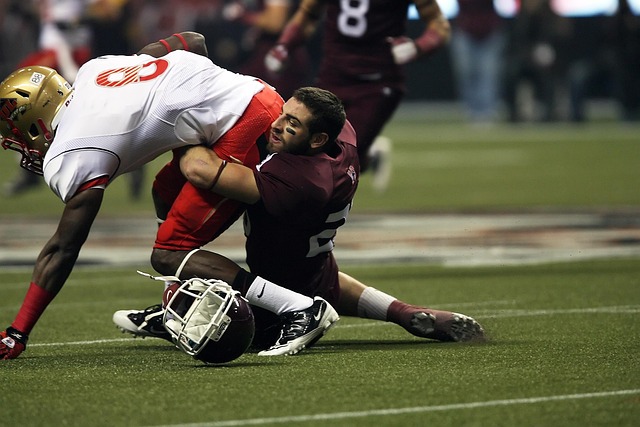
Chiropractic care has emerged as a valuable adjunctive approach in the recovery process for mild traumatic brain injury (MTBI), also commonly known as concussion. The evidence-based strategies employed by chiropractors focus on both the physical and cognitive aspects of healing, acknowledging that MTBI is not merely a neurological event but involves complex interactions between the brain, spine, and nervous system.
Chiropractic treatment for concussion injury naturally starts with a thorough assessment to understand the unique presentation of each patient. This often includes advanced diagnostic techniques such as neuro-muscular screening and postural analysis, which help identify imbalances or restrictions that may hinder recovery. For instance, research has shown that upper cervical spine manipulation can significantly improve symptoms associated with MTBI, including headaches and cognitive impairments. Chiropractors also employ specific adjusting techniques to address spinal misalignments, believing that a stable spine supports a healthy brain.
Additionally, chiropractors integrate various therapeutic modalities like heat/ice therapy, electrical stimulation, and exercise protocols tailored to the patient's needs. These interventions aim to reduce inflammation, promote tissue healing, and enhance neuroplasticity—all crucial elements in MTBI recovery. A study published in the Journal of Chiropractic Medicine highlighted the effectiveness of chiropractic care in improving cognitive function and reducing symptoms in patients with concussions, further validating its role as a complementary therapy.
It is essential for both healthcare professionals and patients to recognize that recovery from MTBI is a multifaceted journey. Chiropractor-led care, when integrated with other medical disciplines, can offer a holistic approach to healing. As such, chiropractors play a vital role in navigating the complexities of MTBI, ensuring that individuals receive comprehensive support to regain their physical and cognitive health naturally.
The article has provided a comprehensive overview of chiropractic support for mild traumatic brain injury (MTBI), underscoring the significant role that natural healing approaches can play in recovery. Key insights include understanding the unique impact of MTBI, leveraging chiropractic treatment for concussion injury naturally as an evidence-based strategy, and recognizing the importance of personalized care plans. The synthesis of these concepts offers valuable practical next steps: healthcare professionals should integrate chiropractic interventions early in MTBI management, focusing on both symptom relief and long-term functional improvement. By adopting these strategies, practitioners can enhance patient outcomes and contribute to a more holistic understanding of concussion recovery.